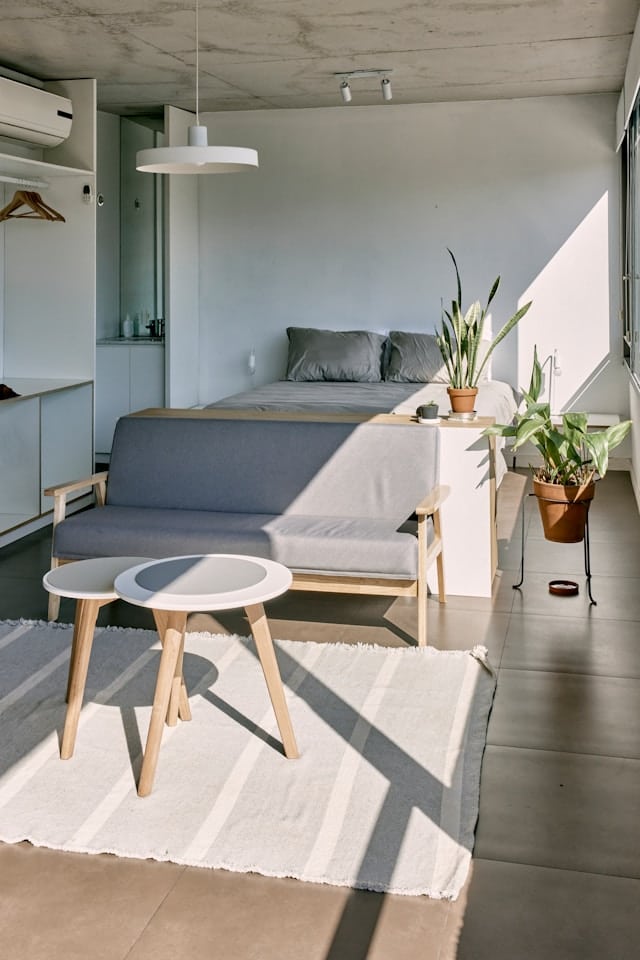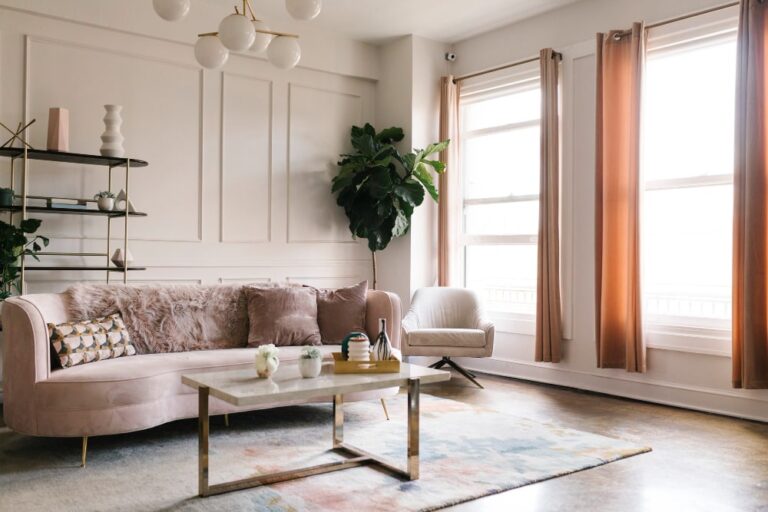
9 Secrets to Choosing The Right Rug for Your Living Room:The Ultimate Guide
This post is all about revealing the secrets to Choosing The Right Rug for Your Living Room.
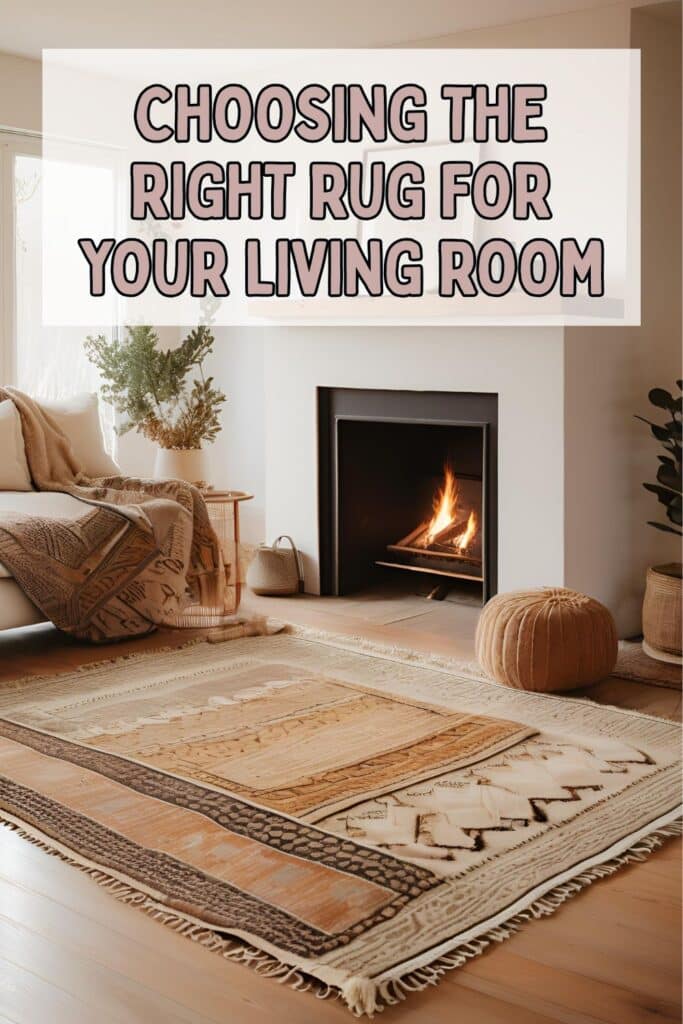
Let me guess, sometimes you place a rug in your living room, and your living room doesn’t look like how you imagined.
That’s why choosing the right rug for your living room is important. Choosing the right rug for your living room can completely transform your space.
It doesn’t matter if you have a Small (Apartment/Condo), Medium, Large, or Open Concept Living Room.
A well-chosen rug can define zones in open spaces and visually tie the room together.
But here’s the challenge: The wrong rug can make your space feel cramped, cluttered, or disconnected. The right one? It becomes the foundation that elevates your entire design scheme.
Whether you’re drawn to modern living room rug ideas with clean lines and bold geometry, or you prefer classic patterns that add timeless elegance, this ultimate guide will walk you through 9 secrets to choosing the right rug for your living room that actually work.
You’ll discover practical tips for size, placement, color, and style that will help you make a confident decision—no matter your budget or design preferences.
1. Why the Right Rug Matters in Living Rooms
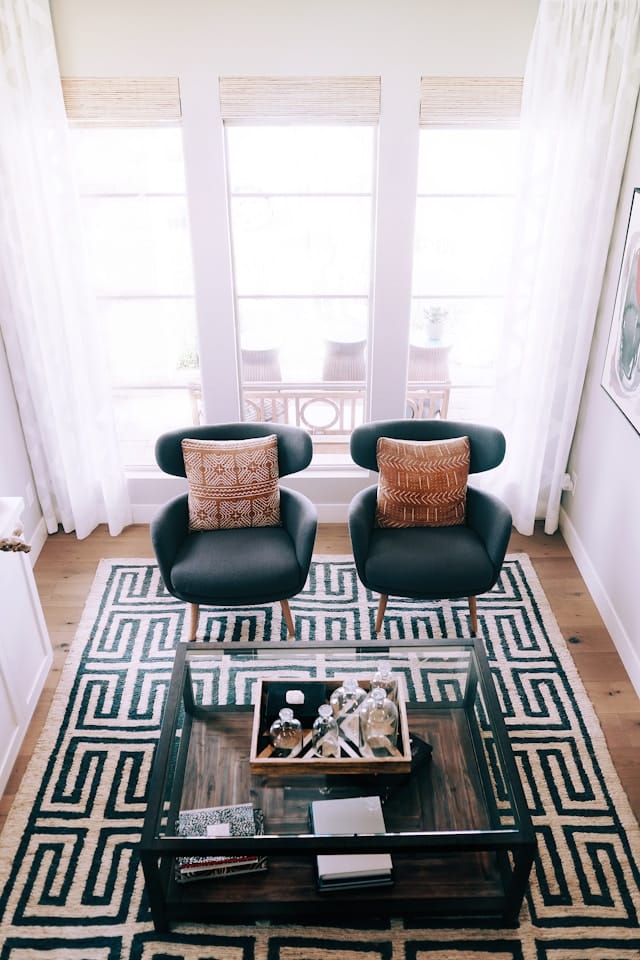
I believe rug isn’t just a decorative afterthought—it’s a fundamental element that influences how your entire room looks and feels.
Visual Impact and Space Definition
The right rug creates a visual anchor that grounds your furniture arrangement.
In open-concept layouts or studio apartments, a strategically placed rug helps define the living area without the need for physical walls.
I think it tells the eye where one zone ends and another begins, bringing order (flow) and intention to your space.
Comfort and Acoustic Benefits
Hard flooring surfaces can make small rooms feel cold and echo-prone.
The second benefit of bringing soft furnishing into the room is that a quality rug adds softness underfoot while absorbing sound, making your living room feel cozier and more intimate.
Style Foundation
Your rug sets the vibe of the entire design theme for the living room.
It’s often one of the largest design elements in the room, which means you can pick a color from your rug with other decor elements like cushions, art, and the whole space ties together.
Through rug selection, you can establish your color palette, introduce pattern and texture, and communicate your overall aesthetic, whether you wanna go with modern minimalism, bohemian eclecticism, or traditional elegance decor styles.
IF you are looking for ways to style a Living Room with an Open Kitchen, you can read these 19 stunning ideas.
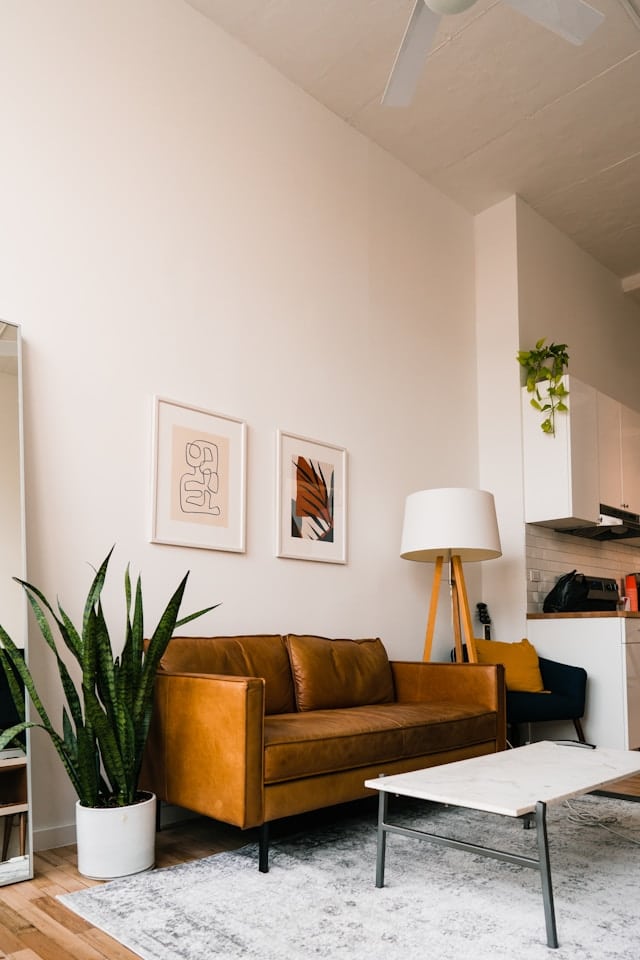
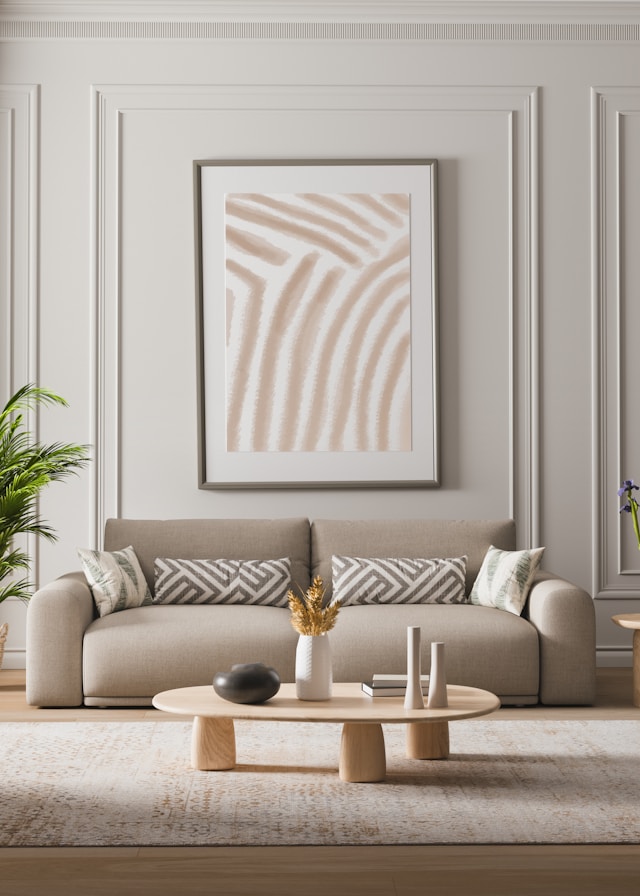
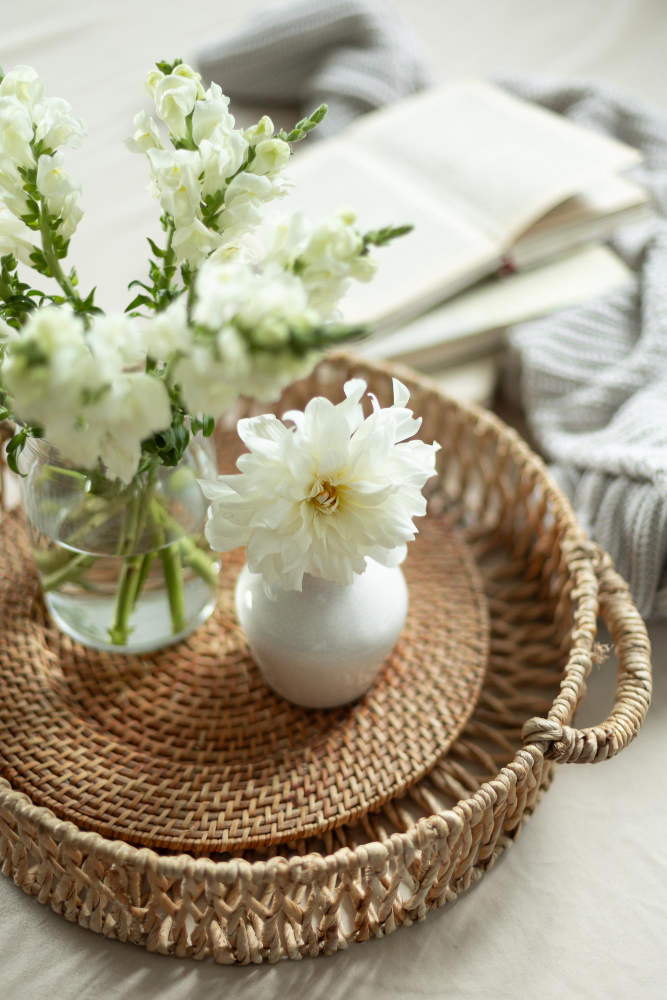
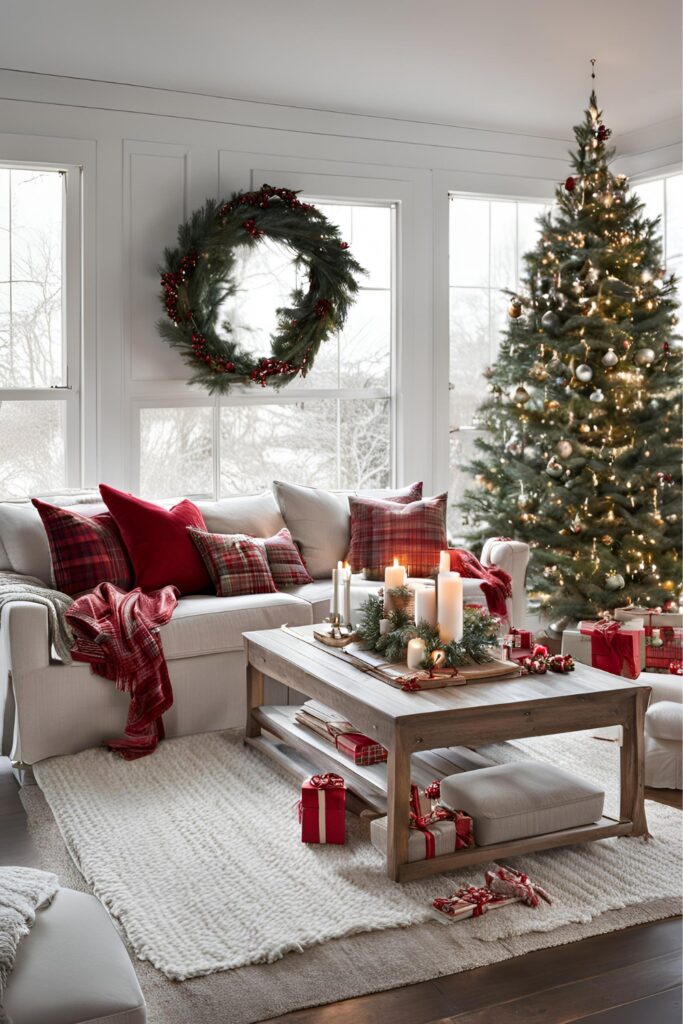
2. Key Considerations Before Choosing Your Rug
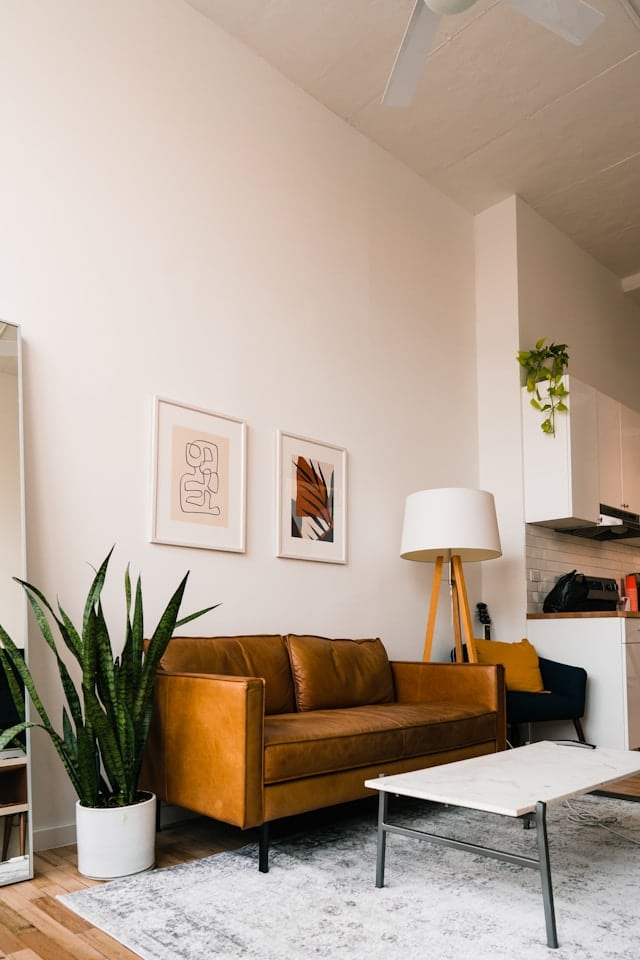
Before diving into the specific right size rug for your living room, and how to place a Rug in a Living Room, let’s cover the foundational elements that will guide your decision-making process.
Room Measurements and Rug Sizing
This is the point where I think many people can go wrong.
Measure your living room carefully, noting the dimensions of the seating area specifically.
- 5′ x 7′ or 5′ x 8′: Works for very small spaces or as an accent under a coffee table
- 6′ x 9′ or 7′ x 9′: The sweet spot for most small living rooms
- 8′ x 10′: For larger living rooms where you want more coverage
Editor’s Choice for Small Spaces: If you’re looking for a rug that fits this exact 5’x7′ footprint, the HUGEAR Vintage Orange Area Rug is a standout choice. It’s perfect for anchoring a coffee table in a condo or apartment without making the room feel crowded.
We will discuss all the rug sizes and how you can choose the right rug size for your living room in detail later on.
The golden rule (or the secret): your rug should be large enough that at least the front legs of your furniture rest on it. In small spaces, this creates cohesion without overwhelming the room.
Furniture Arrangement Principles (rug rules for the living room)
I suggest deciding on the furniture layout before purchasing.
And ask a few questions: Will your sofa and chairs all face each other with the rug underneath? Or is your furniture arranged against the walls?
I personally like the “floating furniture” arrangement (for that specious and airy feel)—where pieces sit partially on the rug (as we discussed front legs)—typically works best in living rooms because it creates an intentional seating zone while maintaining breathing room around the perimeter.
Traffic Patterns and Durability
Be honest about how you gonna use your living room. High-traffic areas need durable, easy-to-clean materials.
If you have kids, pets, or like to frequently entertain, prioritize practical materials like polypropylene, low-pile wool, or washable rugs over delicate natural fibers or high-pile options.
Budget Considerations
Quality rugs are an investment, but you don’t need to break the bank. Set a realistic budget for the rug, considering the size you require.
What I found out is that a moderately priced rug in the right size and style will always look better than an expensive rug that’s too small or doesn’t suit your space.
3. Choosing the Right Size Rug for Your Living Room
Room Size / Furniture Layout | Recommended Rug Size (Standard) | Rug Placement Goal |
|---|---|---|
Small Living Room (Apartment/Condo) | 5’x8′ or 6’x9′ | Anchors the coffee table and fits under the front legs of the sofa/main seating. |
Medium Living Room | 8’x10′ | Fits under the front legs of the sofa and accent chairs, visually connecting all main seating pieces. |
Large Living Room | 9’x12′ or 10’x14′ | Fits a large sectional or sofa with chairs, allowing all furniture legs to sit comfortably on the rug. |
Open Concept | 12’x15′ or larger | Clearly defines the living zone, ensuring all seating pieces (sofa, chairs, side tables) are within the rug’s perimeter. |
4. Master the Art of Placement: How to Place a Rug in a Living Room
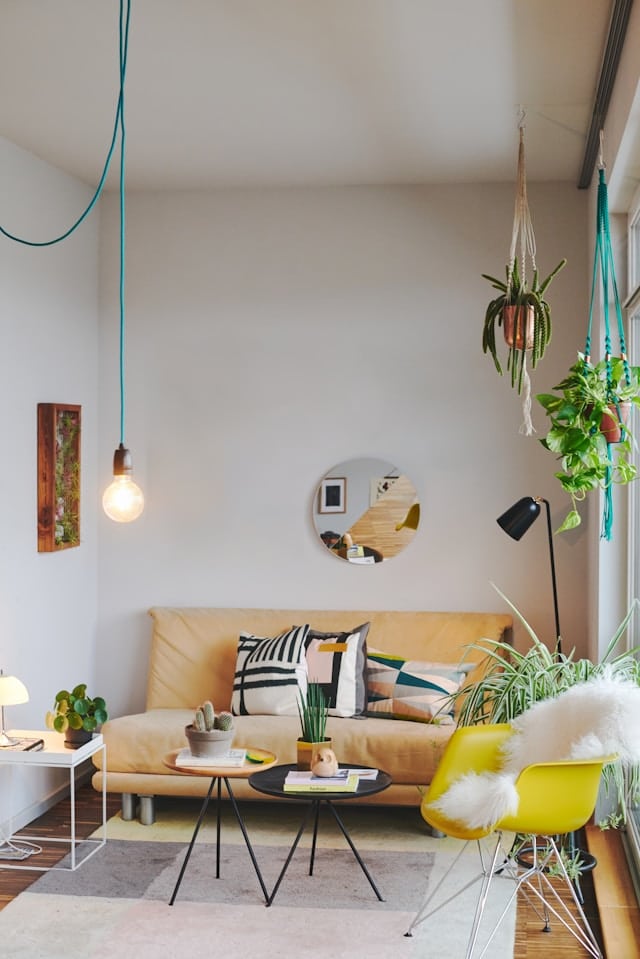
Strategic rug placement can make or break your room’s flow. The classic approach involves positioning your rug so that it extends beyond the edges of your sofa on all sides.
The “All Legs On” vs. “Front Legs On” Debate
Interior designers, including myself, there is debate whether all seating furniture legs should sit on the rug or just the front legs.
For small living rooms, the “front legs on” approach typically works best.
Here’s why:
When just the front legs of your sofa, chairs, and side tables rest on the rug, that creates a unified seating area without requiring an enormous (and expensive) rug.
This arrangement maintains visual breathing space around the edges and defines the space.
It also makes the room feel larger by showing more floor, creating that crucial border between the rug edge and the walls.
15 The Best Durable & Washable Area Rug for Living Room High-Traffic Zones
5. How to Make a Room Look Bigger with Rug Placement
- Leave a border: Maintain at least 10-12 inches of bare floor between your rug edge and walls. This visible perimeter creates the illusion of more space.
- Avoid undersized rugs: A rug that’s too small creates a fragmented look. If you have doubts about rug sizing, I suggest sizing up rather than down.
- Consider room shape: In narrow rooms, a proportionally wider rug can balance awkward dimensions.
- Float your furniture: Pull furniture slightly away from walls with the rug anchoring the arrangement in the room’s center.
6. Color and Pattern Selection Tips
This one is crucial for the right rug for your living room ideas.
Choosing the right colors and patterns is where the magic—or the major mistake—happens.
Your rug is essentially the largest piece of artwork in the room. This isn’t just about matching; it’s about setting the mood. Let’s break down the light versus dark debate and how to ensure your pattern choice elevates, not overwhelms, your space.
Light vs. Dark Rugs in the living room
Confused Light vs. Dark Rugs? So here is the breakdown.
Use a light colored rug when you want your living room to feel more open and airy.
Light rugs reflect natural light and make your room appear larger. I agree with a lighter rug; it shows dirt more easily and requires more maintenance.
On the other hand, dark rugs can work beautifully in small spaces when used strategically. If you wanna jazz up the space or want to add drama, go with a darker colored rug.
Style Tip: To add warmth and a “Retro” vibe to a neutral room, I recommend a piece like the HUGEAR Retro Aesthetic Rug. Its vintage orange tones provide that “drama” we discussed without being overwhelming, and it pairs beautifully with light-colored walls to keep the room feeling open.
Obviously hides stains better than light colors. To prevent a dark rug from making your room feel smaller, ensure you have proper lighting, light-colored walls, and that the area rug doesn’t come too close to the walls.
Pattern Scale Considerations
Small, busy patterns | It can make a room feel cluttered and visually chaotic. They’re generally best avoided in small living rooms. |
Medium-scale patterns | Works well in most living rooms. They add interest without overwhelming the space. |
Large-scale patterns | It can be surprisingly effective when treated as a bold focal point. The key is keeping the surrounding decor elements simple. |
No pattern (solid rugs) | Provide maximum versatility, work well with any decor style, and texture. |
Coordinating with Existing Decor
If you are placing the rug afterward, your rug should complement your existing color scheme without matching it exactly.
Pull one or two colors from your room—perhaps an accent color from pillows, artwork, or curtains—and look for rugs featuring those hues. This creates cohesion without monotony.
7. Rug Material and Pile: Balancing Comfort and Durability
Understanding rug materials helps you choose options that will look great and last in your specific living room conditions.
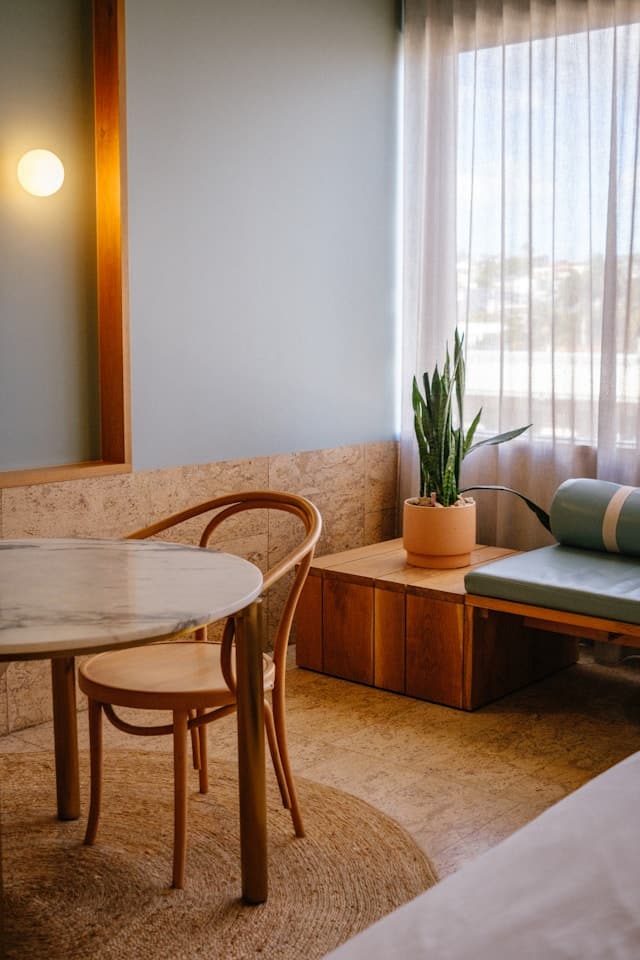
Material | Durability / Traffic | Softness / Comfort | Key Feature & Care | Cost Range (Relative) |
|---|---|---|---|---|
Wool | High (Excellent for high-traffic) | High (Plush, soft) | Natural, durable, and naturally stain-resistant. Wool rugs offer excellent longevity and come in countless styles. They’re an investment, but often worth it for high-use living rooms. | $$$ |
Nylon/Synthetics/ Polypropylene | High (Very durable) | Medium to High | Budget-friendly, easy to clean, and available in endless designs. Modern polypropylene rugs can mimic natural fibers convincingly. Great for homes with kids and pets. | $ |
Jute/Sisal/ Seagrass | Medium to High | Low (Coarse, textured) | Natural, textural, and eco-friendly. These fibers add organic warmth at reasonable prices. Note that they can be rough underfoot and aren’t ideal for high-moisture areas. | $$ |
Cotton | Medium (Good for low-traffic) | Medium (Flatweave/ washable) | Soft, affordable, and often machine-washable. Cotton rugs work well for low-traffic areas or as layering pieces. They’re less durable than wool but easier to clean. | $ |
Viscose/Rayon | Low (Very delicate) | High (Silk-like feel) | Luxurious sheen, beautiful texture. Do not use in high-traffic or high-moisture areas. | $$ – $$$ |
Blends: Wool-synthetic or cotton-synthetic blends often provide the best balance of performance, comfort, and value.
- $ (Low): Generally, the most affordable options to purchase new.
- $$ (Mid-Range): A good balance of quality and cost; the “sweet spot” for many materials.
- $$$ (High): Materials that consistently represent the highest investment due to natural fiber costs or complex processing.
The Low-Maintenance Hero: For homes with pets or kids, a washable rug is a total game-changer. The HUGEAR Machine Washable Area Rug is low-pile and stain-resistant, meaning you can literally toss it in the wash when life happens. It’s the perfect blend of the durability and ease-of-care we’ve been talking about!
8. Cleaning and Care Tips
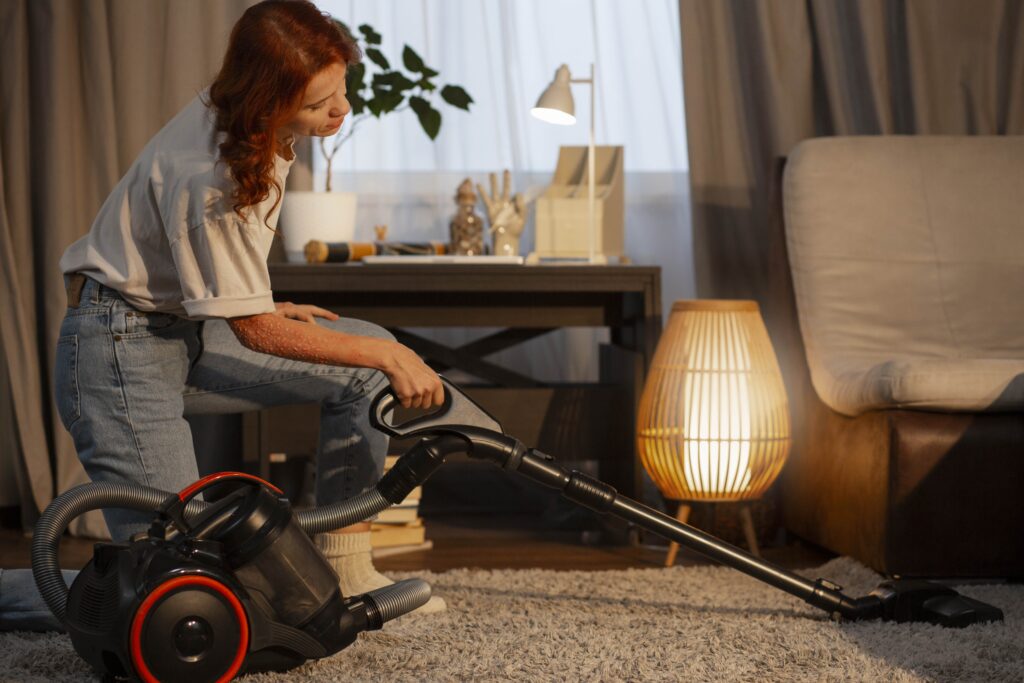
Let’s extend the rug’s life with proper maintenance:
Of course, vacuum regularly, I suggest at least once weekly, and more often in high-traffic areas.
The most important Care Tip is to rotate the rug periodically so that wear and tear and sun fading are even. Every 6-12 months, you should rotate your rug 180 degrees recommended by experts.
Address spills immediately: Don’t rub spills right away with a clean, absorbent cloth. Work from the outside in to prevent spreading.
Have your rug professionally cleaned every 12-18 months, or as needed based on traffic and use.
Use a rug pad: Quality pads prevent slipping, reduce wear, and add cushioning. They’re essential for rug longevity.
9. Budget Wisely Without Sacrificing Quality
Who said you need to empty your bank account to find the right rug for your living room? Just need to think strategically!
I totally agree that quality rugs are investments that can last decades with proper care. So I believe it’s worth spending more on a well-made piece for your main living space.
Look for handcrafted or hand-tufted rugs that indicate durability and detail.
Hand-Knotted | Each individual knot is tied by hand onto a loom, making this the most durable and expensive type. |
Hand-Tufted | Yarn is punched through a fabric backing using a handheld tool, and the fibers are secured with adhesive and a secondary backing. |
Machine-Woven | Rugs are mass-produced rapidly by a large power loom, offering maximum consistency and affordability. |
If you wanna stay within your budget, prioritize size and material over intricate patterns or designer names (my personal preference).
As a designer, I think a simple, well-made wool rug in the right size will serve you better than a too-small designer piece.
Remember, as we discussed above, that proper padding extends rug life and improves comfort, so make sure that the cost fits into your budget as well.
Common Mistakes to Avoid
Choosing Too-Small Rugs: This is the single most common mistake. As mentioned earlier, when in doubt, choose the larger size option.
Don’t ignore the room proportion! A square rug in a rectangular room (or vice versa) can look awkward unless very intentionally styled. Consider your room’s shape and choose a rug with proportions that complement rather than fight against your space’s natural dimensions.
Mismatched Styles: Ensure your rug aligns with your overall design direction or intentionally bridges styles rather than randomly conflicting with them.
Choosing the lower traffic area rug for high traffic areas. Be realistic about your lifestyle and choose materials and constructions that can handle your actual use.
Not Considering Lighting: Rug colors can look dramatically different in various lighting conditions. If possible, view your rug options (I just bring the same color sample) in your actual living room at different times of day before committing.
This post was all about revealing 9 secrets to choosing the right rug for your living room.
Choosing the right rug for your living room combines practical considerations with aesthetic vision. I try to cover all the right rugs for your living room ideas and rug rules for living room in this comprehensive area rug guide. I hope you like this guide, and let me know in the comment box if this is helpful for you!